How to Start Flower Farming in Uganda
 Atukwase Innocent · · 4 min read
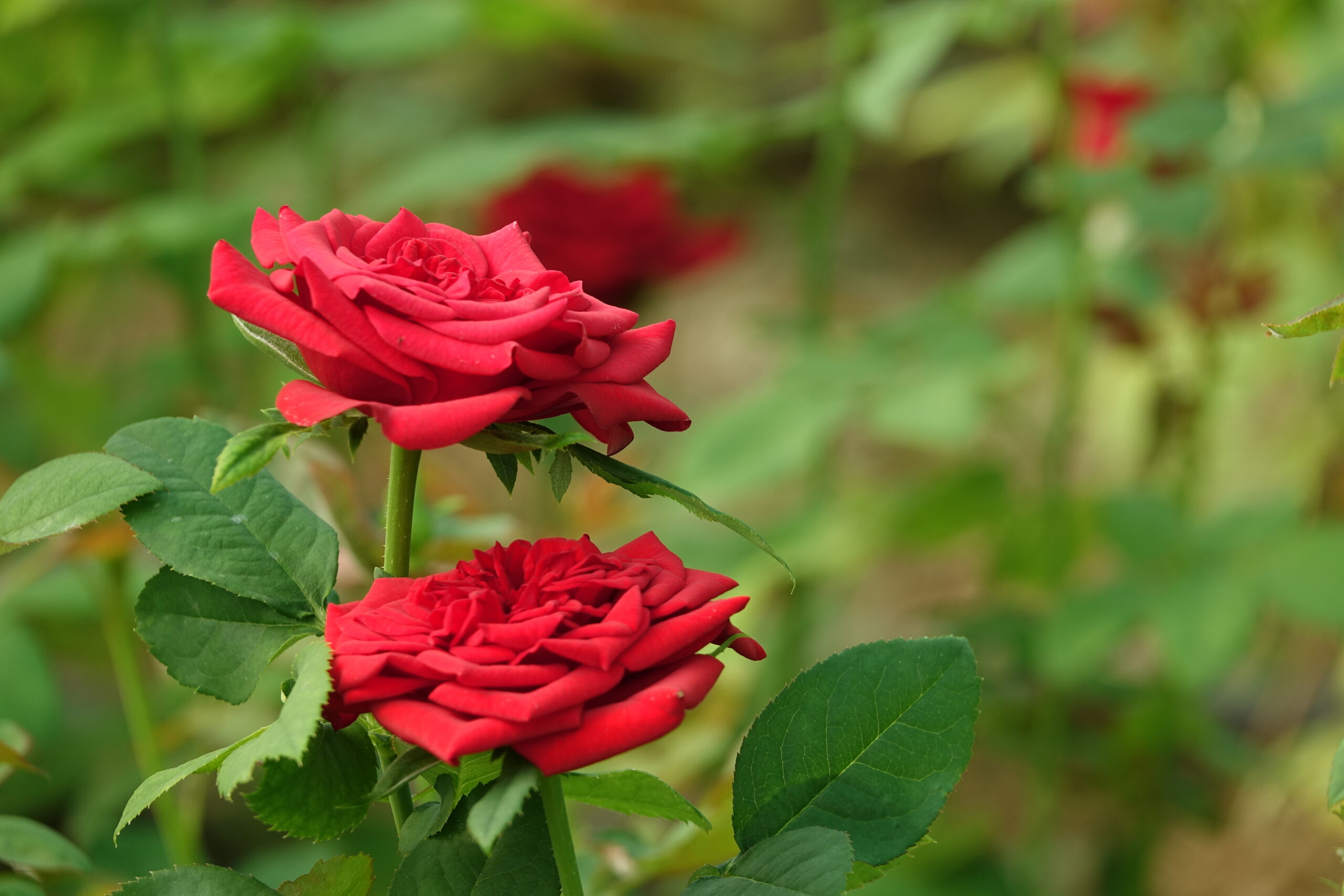
Flower farming, or floriculture, is a profitable agribusiness in Uganda, contributing nearly $30 million annually to export revenue. With favorable climatic conditions, fertile soils, and growing international demand, particularly for roses, Uganda is an ideal location for flower farming. This guide outlines the key steps to start a successful flower farm in Uganda, tailored to both small-scale and commercial ventures.
1. Conduct Market Research
Understand the market before starting. Uganda’s floriculture sector primarily exports to the Netherlands (98% of production), with other markets including the USA, UK, and Middle East. Research:- Demand: Focus on high-demand flowers like roses, carnations, and alstroemeria.
- Buyers: Connect with exporters, local florists, or auction houses like those in the Netherlands.
- Pricing: Export-quality roses fetch $0.2–0.5 per stem, while local bouquets sell for UGX 10,000–50,000 depending on size and design. Visit established farms like Rosebud Ltd or join the Uganda Flower Exporters Association (UFEA) for insights.
2. Develop a Business Plan
Create a detailed business plan to guide your operations:- Objectives: Set goals, e.g., producing 1 million stems annually or targeting local markets.
- Budget: Account for high startup costs, including greenhouses ($10,000–$50,000 per hectare), irrigation systems, and labor. Ongoing costs include fertilizers, pesticides, and transport.
- Revenue Projections: Estimate income based on flower type and market (e.g., 100,000 stems at $0.3/stem = $30,000/year).
- Marketing Strategy: Plan to sell through direct trade, cooperatives, or auctions.
- Risk Analysis: Address challenges like pest infestations or fluctuating global prices.
3. Choose the Right Location
Select a site with conditions favorable for flower farming:- Water Access: Reliable water supply from lakes, rivers, or boreholes is critical, as flowers require consistent irrigation. Most farms are near Lake Victoria for this reason.
- Climate: Uganda’s temperatures (18–28°C near Lake Victoria, cooler at 12°C in highlands) suit various flowers. Southwestern highlands are ideal for tea hybrids and spray roses.
- Soil: Fertile, well-drained soils are essential. Test soil pH (5.5–6.5 for roses) and improve drainage if needed.
- Proximity to Airport: Locations near Entebbe International Airport reduce transport costs and ensure freshness for exports.
4. Select Flower Varieties
Choose flowers based on market demand and climatic suitability:- Roses: Sweetheart (short stems, small heads), Tea Hybrids (long stems, large heads), and Spray Roses (medium stems, multiple heads) are popular. Varieties include Valentino, Akito, and Red Calypso.
- Other Flowers: Consider carnations, limonium, alstroemeria, or summer flowers for diversification. Source quality seedlings or cuttings from reputable suppliers like Fiduga Ltd or Royal Van Zanten.
5. Set Up Infrastructure
Flower farming requires significant investment in infrastructure:- Greenhouses: Use greenhouses to control humidity and temperature, costing $10,000–$50,000 per hectare. Timber or metal structures are common.
- Irrigation System: Install drip irrigation or hydroponics for efficient water use. Rosebud Ltd uses automated systems for precision.
- Shade Nets: Protect young plants from excessive sunlight, maintaining low humidity to prevent premature flowering.
- Cooling Facilities: Essential for export, either on-farm or at Entebbe Airport.
- Nursery Beds: Prepare beds (45–65 cm²) for uniform planting, fumigated to prevent pests.
6. Secure Quality Inputs
Invest in high-quality inputs to ensure healthy plants:- Seeds/Cuttings: Source from certified suppliers to avoid poor germination.
- Fertilizers and Pesticides: Use substrates to reduce chemical use and promote sustainability. Government incentives allow duty-free import of inputs.
- Water Management: Water daily for the first week to keep soil moist, then reduce to a few times weekly. Use soaker hoses to minimize evaporation and disease.
7. Manage Plant Health
Protect flowers from pests and diseases:- Fumigation: Sterilize soil before planting to eliminate pests.
- Pest Control: Monitor for aphids, spider mites, and powdery mildew, common in Uganda.
- Training: Enroll in floriculture courses offered by Makerere University or UFEA for best practices in pest management and crop maintenance.
8. Harvest and Post-Harvest Handling
- Timing: Harvest buds (not fully bloomed flowers) at 5–17 weeks, depending on variety, to meet export standards.
- Storage: Store in coolers at 2–4°C to maintain freshness. Use clean, sterile containers.
- Transport: Use refrigerated vans to Entebbe Airport for exports or to local markets.
9. Register and Comply with Regulations
Register your farm with the Ministry of Agriculture, Animal Industry and Fisheries (MAAIF) and UFEA. Obtain phytosanitary certificates for exports to meet international standards. UFEA provides support for compliance and market linkages.10. Market Your Flowers
- Export Markets: Target Europe, the Middle East, or regional markets like Sudan and Kenya through direct trade or Dutch auctions.
- Local Markets: Sell to florists, event planners, or supermarkets in Kampala for weddings and decorations.
- Sustainability: Adopt eco-friendly practices like substrate use to appeal to environmentally conscious buyers. Promote your farm on platforms like X or through UFEA’s exporter catalogue.
Challenges and Solutions
- Challenge: High startup costs (greenhouses, irrigation).
- Solution: Start small with 0.5–1 hectare and scale up. Seek government incentives or investor partnerships.
- Challenge: Environmental impact from chemical use.
- Solution: Use substrates and recirculate nutrient solutions to reduce chemical dependency.
- Challenge: Competition in global markets.
- Solution: Focus on quality, longer vase life, and direct trade to cut costs.
Filed underGeneral


Comments