Kibale National Park, All you need to know
 Atukwase Innocent · · 6 min read
Introduction
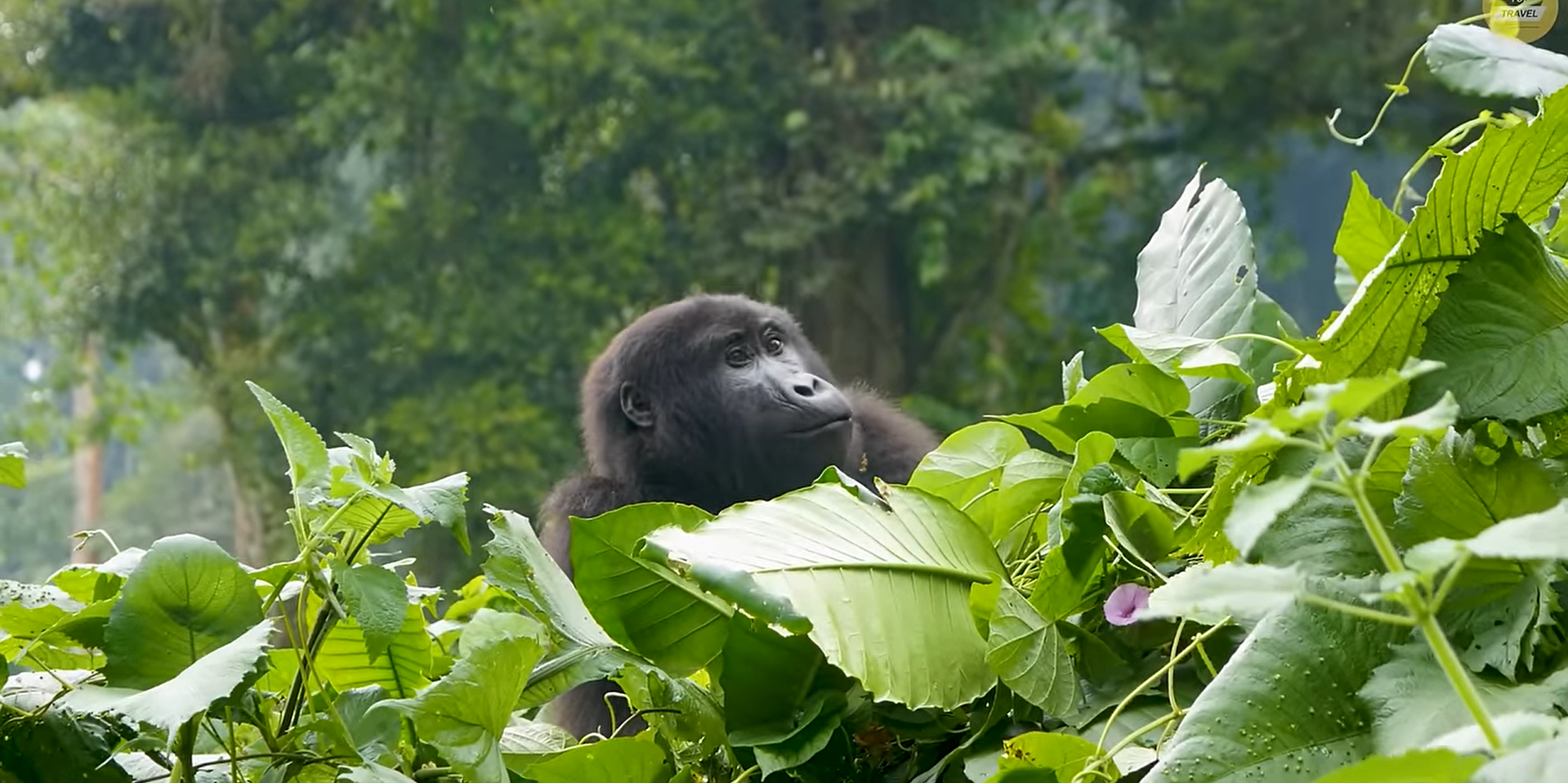
Kibale National Park, often called the "Primate Capital of the World," is a premier conservation area in western Uganda renowned for its exceptional biodiversity, particularly its high density and diversity of primates. Spanning a vast expanse of moist evergreen rainforest, the park protects one of Africa's most important habitats for chimpanzees and other endangered species. Established to safeguard this rich ecosystem, Kibale plays a crucial role in global biodiversity conservation, ecotourism, and research. It is managed by the Uganda Wildlife Authority (UWA) and attracts thousands of visitors annually for chimpanzee tracking and nature experiences. The park's significance extends to its role in connecting larger wildlife corridors, including a 180 km migration route with neighboring Queen Elizabeth National Park.
Geography and Climate
Kibale National Park covers approximately 766–795 square kilometers (296–307 square miles), with slight variations in reported figures due to boundary adjustments. It is located in the Kabarole and Kamwenge districts, about 26 km southeast of Fort Portal town, near the foothills of the Rwenzori Mountains and along the Albertine Rift Valley. The park's terrain is gently undulating, with elevations ranging from 1,100 meters (3,600 feet) to 1,600 meters (5,200 feet), featuring a mix of lowland and montane forests, grasslands, papyrus swamps, and crater lakes in the surrounding Ndali-Kasenda region.
The climate is tropical rainforest, with bimodal rainfall averaging 1,500–1,700 mm annually, peaking in March–May and September–November. Temperatures are mild, ranging from 15–30°C (59–86°F) year-round, with high humidity and frequent mist. This equatorial location ensures consistent weather, making it accessible for tourism throughout the year, though the dry seasons (June–August and December–February) offer easier trekking conditions. The park borders Toro-Semliki Wildlife Reserve to the northwest and Queen Elizabeth National Park to the south, forming a vital ecological corridor for wildlife movement.
History
Kibale's protection dates back to the colonial era. In 1932, it was gazetted as a crown forest reserve by the British for timber extraction and management. By 1948, it was formally established as a forest reserve, but logging continued, including the planting of exotic species like pines and cypresses. In the 1990s, amid growing conservation concerns, the area was upgraded to Kibale National Park in 1993 to preserve its biodiversity, particularly primates. This transition displaced around 13,000 encroaching residents, who were relocated to nearby districts like Kibaale in 1992.
In 1994, management shifted to Uganda National Parks (now UWA), which took full control of conservation efforts. The park has since become a hub for research, supported by the Makerere University Biological Field Station (MUBFS) established in the 1970s. Key initiatives include the Kibale Chimpanzee Project (ongoing since the 1980s), which studies primate behavior and ecology. The Kibale Forest Wild Coffee Project (1999–2002), funded by USAID, the Ford Foundation, and the World Bank, aimed to commercialize native robusta coffee for conservation funding but faced market challenges. By 1996, UWA's formation integrated Kibale into a national framework emphasizing sustainable use and community involvement.
Ecology and Biodiversity
Kibale is a biodiversity hotspot, boasting over 350 tree species (including giants up to 55 meters tall), 351 flora species, and a continuum of forest types that support exceptional wildlife diversity. It is one of the last major pre-montane forests in East Africa, with understory dominated by ferns, herbs like Palisota schweinfurthii, and broad-leaved grasses.
Mammals
The park hosts 71 mammal species, with primates being the star attraction—13 species, the highest diversity and concentration in Africa. It protects about 1,450–1,500 chimpanzees (Pan troglodytes schweinfurthii), including several habituated communities for research and tourism (e.g., Kanyanchu and Sebitoli). Other primates include the endangered Ugandan red colobus (Piliocolobus tephrosceles rufomitratus), vulnerable L'Hoest's monkey (Allochrocebus lhoesti), Uganda mangabey (Lophocebus ugandae), mantled guereza (black-and-white colobus), blue monkeys, red-tailed monkeys, olive baboons, grey-cheeked mangabeys, bushbabies, and pottos. Larger mammals feature forest elephants, African buffaloes, bushbucks, sitatungas, giant forest hogs, bushpigs, common warthogs, red and blue duikers, leopards, African golden cats, servals, mongooses, and otters. Lions occasionally roam from adjacent areas.
Birds
With 325–372 recorded species (out of Uganda's 1,042 total), Kibale is a birding paradise, hosting forest specialists and Albertine Rift endemics. Highlights include the endemic Kibale ground thrush (Geokichla cameronensis kibalensis), African pitta, green-breasted pitta, olive long-tailed cuckoo, western tinkerbird, grey parrot, and others like the African grey flycatcher and white-spotted flufftail.
Other Wildlife
The park supports diverse reptiles, amphibians, butterflies, and insects. Wild robusta coffee (Coffea canephora) grows naturally over 70 km², and the ecosystem includes swamps like Bigodi Wetland, rich in otters and birds.
Conservation Efforts
Managed by UWA, Kibale's conservation focuses on anti-poaching, habitat restoration, and research. The MUBFS supports long-term studies like the Kibale Chimpanzee Project, Kibale EcoHealth Project, and Primate Ecology and Nutrition Project. Reforestation efforts, led by partners like Face the Future since 1994, have restored 7,152 hectares (4,559 via native plantings and 2,593 through natural regeneration), enhancing biodiversity and creating contiguous canopies. Community programs include revenue sharing (20–30% from tourism to locals), eco-tourism initiatives like the Bigodi Community Cultural Centre (run by the Kibale Association for Rural and Environmental Development), and regulated resource access for fuelwood and medicinal plants.
Cross-border corridors with Queen Elizabeth promote wildlife migration. Challenges from past logging are addressed through fire prevention, natural succession, and exotic plantations to seed indigenous trees via animal dispersal. The park's small size necessitates ongoing interventions to maintain viable populations, with successes including stable chimpanzee numbers and increased species like elephants.
Human Communities and Cultural Significance
Kibale is home to the Batooro and Bakiga peoples, who historically relied on the forest for food, fuel, and livelihoods. Population growth around the park (sevenfold in the last century) stems from tourism jobs, better soils for farming, and revenue benefits, but it has led to encroachment and resource strain. Evictions in the 1990s caused tensions, but community tourism—such as Bigodi swamp walks and cultural experiences—fosters reconciliation. Profits support education and income projects. The forest holds cultural value, with locals viewing it as a spiritual and economic lifeline. Initiatives like the Kibale Forest Foundation promote sustainable coffee production to reduce pressure on the park.
Tourism and Activities
Kibale is a top ecotourism destination, drawing visitors for its primates and accessibility. Chimpanzee tracking is the highlight, with habituated groups offering 90%+ sighting success; treks (2–4 hours, guided) start from Kanyanchu Visitor Center and cost $200 per permit (book via UWA). Groups are limited to 6–8 people for one hour of observation. Other activities include:
- Nature Walks and Birding: Guided forest trails and Bigodi Wetland walks for primates, birds, and plants ($30–50).
- Night Primate Walks: Spotting bushbabies and pottos after dark.
- Community Tours: Cultural visits to Bigodi for swamp walks and local crafts.
- Crater Lakes Hikes: Exploring the scenic Ndali-Kasenda area.
- Research Observation: Viewing ongoing studies at MUBFS.
Access is via road from Kampala (5–6 hours) or Fort Portal (1 hour); flights to Kasese Airstrip are available. Accommodations range from luxury lodges (e.g., Kyaninga Lodge) to budget camps. Permits are essential and sell out quickly; combine with Queen Elizabeth for multi-park safaris. The terrain is relatively flat, suitable for most fitness levels.
| Activity | Duration | Cost Estimate (per person, USD) | Best Location |
|---|---|---|---|
| Chimpanzee Tracking | 2–4 hours trek + 1 hour observation | $200 (permit) + $30–50 (guide/entry) | Kanyanchu |
| Birdwatching/Nature Walk | Half/full day | $30–50 | Bigodi Wetland |
| Night Primate Walk | 2–3 hours | $50–70 | Kanyanchu |
| Community Cultural Tour | 2–3 hours | $20–40 | Bigodi Village |
| Crater Lakes Hike | Full day | $40–60 | Ndali-Kasenda |
Threats and Challenges
Despite protections, Kibale faces agricultural expansion, with surrounding farmlands encroaching due to population growth and demand for arable land. Firewood collection and illegal logging degrade peripheral forests, while past commercial logging has impacted primate habitats. Human-wildlife conflicts, such as crop raiding by chimpanzees and elephants, persist. Climate change, disease transmission (e.g., from humans to primates), and invasive species from exotic plantations pose risks. Poverty drives resource overexploitation, though tourism revenue mitigates this. Studies show varying forest regeneration rates, with some grasslands slow to recover without intervention. UWA's patrols and community education help, but sustained funding is needed.
Recent Developments (Up to September 2025)
As of September 2025, Kibale's chimpanzee population remains stable at around 1,450–1,500, with high tracking success rates reported in recent visitor reviews. Tourism is booming, integrated into multi-day safaris combining chimp and gorilla trekking, with itineraries like 2-day chimp-focused trips or 11–15-day Uganda-Rwanda packages. In September 2025, locals near Kabarole District protested new wildlife-related taxes on food items, highlighting tensions over conservation costs. Broader Ugandan efforts include UWA's March 2025 concessions for high-end tourism infrastructure in other parks, potentially benefiting Kibale's sector. The annual Open Parks Days (September 25–27, 2025) offer free entry to select parks, though Kibale's inclusion is unconfirmed; guidelines emphasize sustainable practices. Reforestation continues, with emphasis on eco-friendly tourism and community support. No major incidents reported, but UWA promotes adherence to rules for visitor safety and habitat protection.


Comments