Starting a Fish Farming Business in Uganda
 Atukwase Innocent · · 4 min read
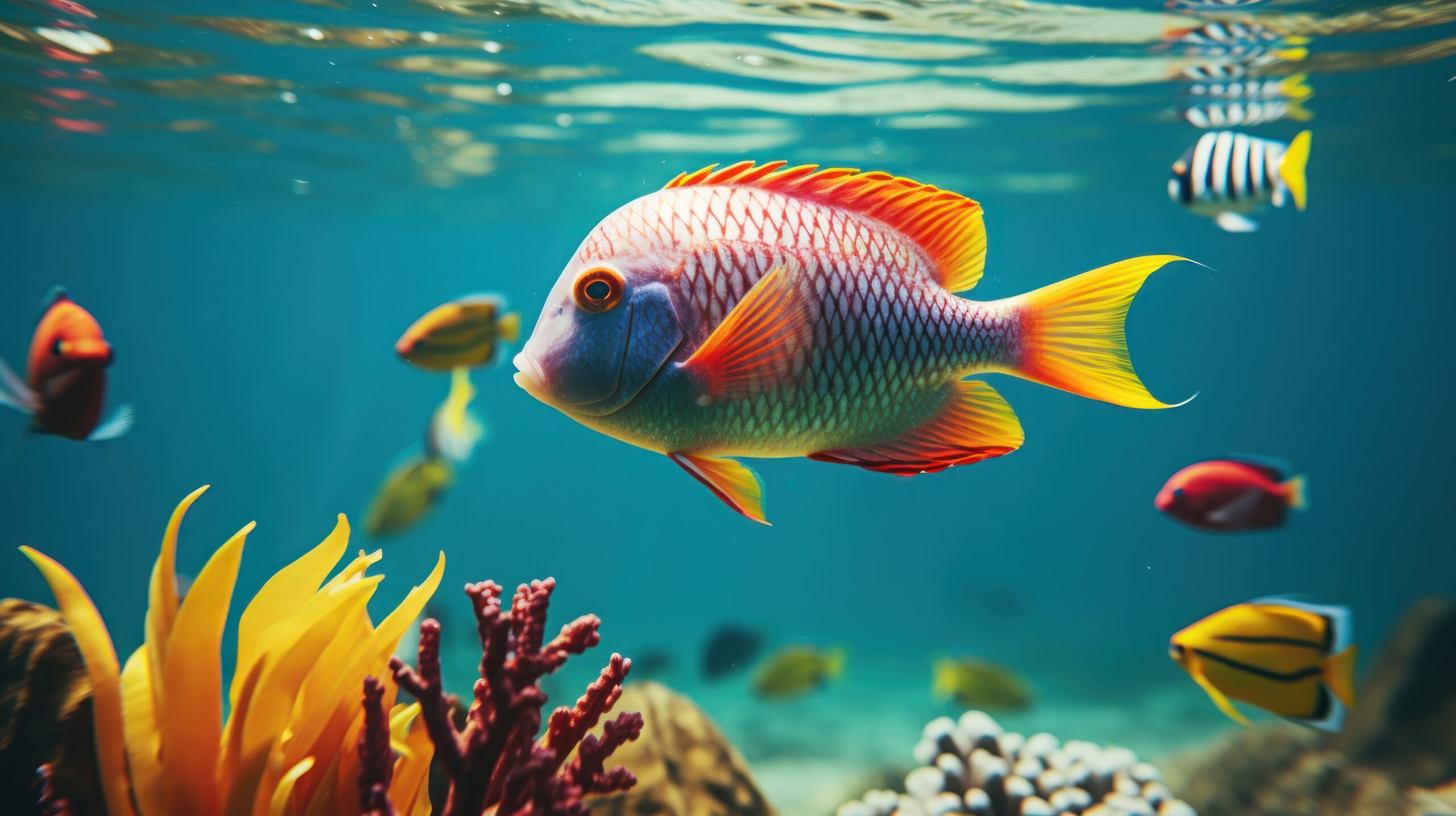
Fish farming has emerged as one of Uganda’s most lucrative agricultural ventures, driven by high market demand, government restrictions on lake fishing to prevent overfishing, and the relatively low number of farmers in the sector. With Uganda’s abundant water resources and growing appetite for fish like tilapia and catfish, new entrants have a golden opportunity to succeed.
Why Fish Farming in Uganda?
Fish farming, or aquaculture, is booming in Uganda due to several factors:- High Demand: Fish, particularly catfish and tilapia, is a staple protein. Markets in urban centers like Kampala (e.g., Nakawa, Nakasero) and even rural areas like Tororo are robust, with buyers flocking to farms during harvests.
- Government Support: Restrictions on lake fishing have shifted focus to aquaculture, supported by initiatives like Operation Wealth Creation and the National Agricultural Research Organization (NARO), which provide fingerlings and training.
- Economic Potential: A single 12x15-foot pond, costing about UGX 5 million (USD 1,350) to start, can yield up to UGX 36-40 million (USD 9,700-10,800) in revenue within 7-8 months, making it more profitable than crops like maize.
Getting Started: Key Steps for New Fish Farmers
1. Secure a Reliable Water Source
- Underground Water: Fish raised in groundwater benefit from added minerals, enhancing their nutritional value. A borehole or natural spring is ideal, as chemically treated tap water is toxic to fish.
- Independent Water Supply: Each pond should have its own water source to avoid contamination. Avoid channeling water from one pond to another, as this can spread toxins or diseases.
2. Choose the Right Site and Pond Design
- Site Selection: Choose land with a steady water flow, preferably by gravity to reduce pumping costs. Avoid flood-prone areas or wetlands, as seen in cases where farmers lost fish to runoff.
- Pond Size and Depth: For beginners, a 12x15-foot pond with a depth of 3 feet is recommended. This size is manageable for harvesting and can hold 3,000-4,000 fingerlings.
- Pond Design: Ensure sharp, reinforced pond edges to prevent erosion. Plant green pasture (e.g., grass) around pond banks to stabilize soil and prevent siltation during rains.
3. Source Quality Fingerlings (young fish)
- Trusted Breeders: Source fingerlings from reputable breeders like NARO or private hatcheries.
- Preferred Species: Catfish and tilapia have a high demand and fast growth (7-8 months to maturity). Fingerlings should be 3 weeks to 1 month old when introduced to ponds.
- Quality Control: Ensure fingerlings are alive and healthy before stocking. Count and monitor them to track survival rates, which can reach 98% with proper management.
4. Feeding and Nutrition
Feeding is a major cost but critical for growth:- Commercial Feeds: Use labeled fish feeds tailored to growth stages—high-protein for fingerlings (first 4-6 months) and lower-protein for mature fish. Feed 3 times daily (morning, midday, evening), with a 12x15-foot pond requiring about 12 kg of feed daily for 4,000 fish.
- Substitutes: Chicken droppings can supplement feeds due to their protein content, but rabbit droppings are less effective due to high uric acid. Avoid homemade feeds with aflatoxins (e.g., from contaminated maize), which can kill fish. Accurate measurement tools are essential for feed formulation.
- Cost Efficiency: While feeds are expensive, fish feeding costs are comparable to poultry when managed well, with quick returns in 7 months.
5. Pond Maintenance
Proper maintenance ensures healthy fish and sustainable operations:- Prevent Siltation: Reinforce pond banks with grass and sharp edges to prevent soil erosion during rains.
- Water Quality: Avoid external runoff, which may contain toxic chemicals or temperature variations harmful to fish. Use agricultural lime post-harvest to neutralize pH and reduce acidity.
- Post-Harvest Care: After harvesting, drain ponds, remove dead snails or debris, and let them rest for 1-2 months to eliminate water toxicity and restore microorganisms.
- Sterilization: Apply lime and other treatments to kill intruders like insect eggs, keeping ponds clean for the next cycle.
6. Mitigate Challenges
Fish farming has challenges, but they can be managed:- Theft and Poisoning: Early issues with outsiders stealing fish or poisoning ponds can be addressed by installing fences, gates, and cameras. Enclose your farm to restrict access.
- Predators: Birds can prey on fish near water bodies. Nets over ponds can deter birds.
- Diseases: Red patches and other diseases may appear in older ponds. Sterilize ponds post-harvest and monitor water pH to prevent outbreaks.
- High Feed Costs: Feeds are a significant expense, but proper management ensures profitability. Avoid adulterated feeds and use substitutes like chicken droppings cautiously.
7. Financial Investment and Returns
By estimate, a single 12x15-foot pond can be set up for UGX 5 million (USD 1,350), covering:- Pond digging (hand-dug or tractor-assisted).
- Water source development (e.g., borehole).
- Fingerlings (3,000-4,000 at UGX 500-1,000 each).
- Feeds for the initial 2-3 months.
Leveraging Market Opportunities
The market for fish in Uganda is robust:- Local Demand: Farms attract buyers from neighboring areas without advertising, as word spreads during harvests. Fish is a valued protein source, with a single catfish (1.5 kg) selling for UGX 12,000-15,000, ensuring family nutrition and income.
- Urban Markets: Kampala’s markets (e.g., Nakawa, Nakasero) offer consistent demand. Transporting fish to these hubs can boost profits.
- Export Potential: Uganda’s aquaculture sector, producing 130,000 tonnes annually, is eyeing regional markets through the EAC and AfCFTA. Compliance with standards like the EU Deforestation Regulation ensures export viability.
Conclusion
Fish farming in Uganda offers new farmers a lucrative and sustainable business opportunity. By securing a reliable water source, designing proper ponds, sourcing quality fingerlings, managing feeds, and mitigating challenges like theft and disease, beginners can achieve high returns—potentially UGX 36-40 million from a single pond in 7-8 months. With government support, robust markets, and training from expertsFiled underGeneral


Comments