Starting a Meat Production Business in Uganda: A Guide for New Entrants
 Atukwase Innocent · · 5 min read
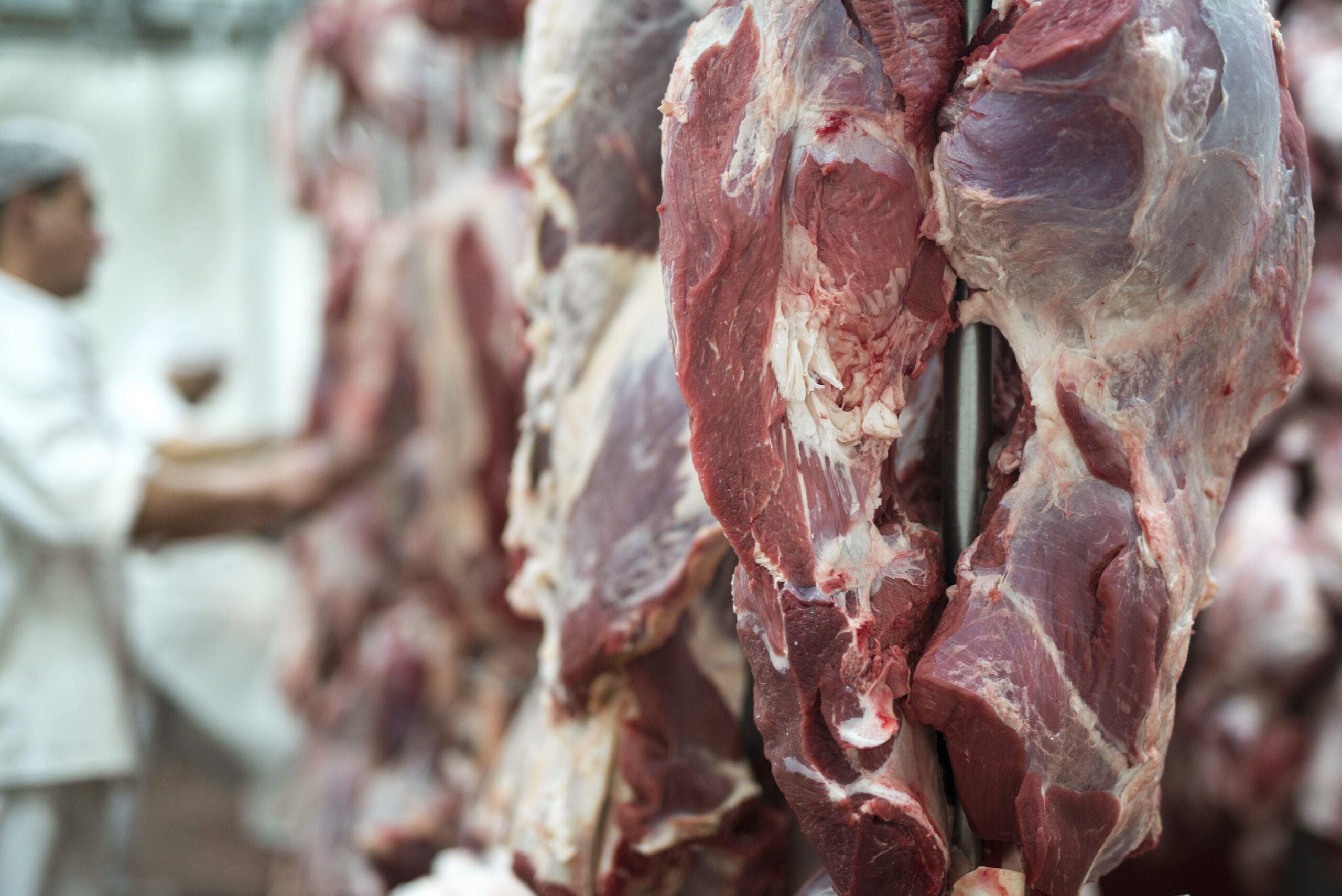
Uganda’s meat production sector is a dynamic and growing industry, fueled by rising domestic and regional demand for beef, poultry, pork, and goat meat. With livestock contributing significantly to the agricultural economy and a population increasingly consuming protein-rich diets, meat production offers substantial opportunities for new entrants. In 2025, Uganda’s favorable policies, strategic trade agreements, and untapped export markets make it an ideal time to enter this sector. However, success requires careful planning and awareness of local dynamics. This blog provides essential advice for anyone looking to start a meat production business in Uganda.
1. Understand the Meat Production Landscape
Meat production in Uganda encompasses livestock rearing, slaughtering, processing, and distribution, with beef and poultry leading the market. The country’s livestock population includes millions of cattle, goats, sheep, pigs, and poultry, primarily raised in the "cattle corridor" stretching from southwestern to northeastern Uganda. Key insights include:- Market Demand: Urbanization and a growing middle class drive demand for processed and packaged meat. Regional markets, accessible through the East African Community (EAC) and African Continental Free Trade Area (AfCFTA), offer export potential to over 900 million consumers.
- Key Products: Beef dominates, followed by poultry, pork, and goat meat. Emerging trends include value-added products like sausages and minced meat.
- Production Systems: Most meat comes from smallholder farmers, but commercial operations are growing, supported by modern abattoirs and processing facilities.
2. Leverage Government Support and Incentives
The Ugandan government actively promotes livestock and meat production through policies and programs:- Financial Support: The Shs 176 billion financing scheme launched in January 2025 supports large-scale farmers with loans for livestock and feed production. The Agriculture Insurance Subsidy covers 50% for smallholders and 30% for larger operations.
- Tax Incentives: Through the Uganda Investment Authority (UIA), new investors benefit from tax holidays, duty exemptions on equipment like slaughterhouse machinery, and facilitated land access.
- Regulatory Framework: Obtain an Investment License from the UIA, register with MAAIF, and comply with animal health standards enforced by the National Animal Genetic Resources Centre and Data Bank (NAGRC&DB). An Environmental Impact Assessment (EIA) may be required for large facilities.
- International Partnerships: Programs like the Boosting Uganda’s Investment in Livestock Development (BUILD) and the Regional Pastoral Livelihoods Resilience Project (RPLRP) provide training, improved breeds, and market linkages.
3. Identify High-Value Opportunities
Meat production offers diverse investment prospects with strong returns:- Beef Production: Investing in modern abattoirs can yield a 38.4% IRR, driven by demand for quality cuts and processed products. Uganda’s annual beef production supports both local and export markets.
- Poultry Farming: Rapid growth in urban demand makes poultry a low-cost entry point, with quick turnaround due to short rearing cycles.
- Pork and Goat Meat: Pork is popular in urban areas, while goat meat, boosted by Chinese hybrid imports in 2025, is gaining traction for export.
- Leather Processing: A byproduct of meat production, leather processing offers a 31.6% IRR, with potential in regional markets.
- Animal Feeds: A 360,000-ton feed deficit for cattle creates opportunities for feed production (26.7% IRR), supporting meat quality and yield.
4. Address Key Challenges
While the sector is promising, new entrants must navigate several challenges:- Climate Risks: Droughts and floods in the cattle corridor affect pasture availability. Invest in irrigation, drought-resistant fodder, and insurance to mitigate risks.
- Disease Control: Outbreaks like foot-and-mouth disease require robust veterinary services. Work with MAAIF and NAGRC&DB for vaccinations and biosecurity measures.
- Market Volatility: Fluctuating meat prices and competition from informal markets can impact profits. Focus on value addition (e.g., processed meats) and secure export contracts.
- Regulatory Compliance: The EU Deforestation Regulation (EUDR), effective December 2025, may indirectly affect feed supply chains. Ensure compliance with environmental standards to avoid export barriers.
- Access to Finance: Limited capital access remains a hurdle, though government schemes and international funding (e.g., IFAD’s $140 million in 2025) are bridging gaps.
5. Embrace Modern Trends and Technologies
Stay competitive by adopting emerging practices:- Climate-Smart Practices: Align with Uganda’s Nationally Determined Contributions (NDCs) to reduce livestock emissions by 24.7% by 2030 through sustainable grazing and feed management.
- Technology Integration: Use digital tools for livestock tracking and data management, as promoted in NAGRC&DB workshops. Precision farming optimizes feed and health management.
- Value Addition: Invest in processing facilities for sausages, burgers, or canned meat to meet urban demand and boost margins.
- Organic and Niche Markets: Explore organic meat production for premium markets, especially in Europe and the Middle East.
6. Build Strategic Partnerships
Collaboration is critical for success:- Local Cooperatives: Partner with the Uganda National Farmers Federation or local groups for access to markets, inputs, and knowledge sharing.
- Public-Private Partnerships: Engage with MAAIF, NAGRC&DB, and organizations like ILRI (marking 12 years of support in 2024) for technical expertise and improved breeds.
- Extension Services: Leverage training from programs like BUILD or RPLRP to adopt best practices in animal husbandry and slaughterhouse management.
7. Focus on Sustainability and Community Impact
Sustainable practices enhance long-term viability:- Environmental Stewardship: Use eco-friendly feed production and waste management (e.g., biogas from slaughterhouse waste) to comply with regulations and attract eco-conscious markets.
- Social Benefits: Empower local communities, especially women and youth, through inclusive projects. Initiatives like ESAFF Uganda’s Investor Compliance Monitoring Tool ensure investments benefit smallholders.
- Resilience: Participate in the RAFFS Project to build climate-resilient livestock systems.
8. Start Small and Scale Strategically
For new entrants:- Entry-Level Investment: Begin with a small herd (e.g., 20-30 cattle or 100 poultry) or a small-scale abattoir. Initial capital can range from $10,000-$50,000, depending on scale.
- Learning Resources: Use guides from Operation Wealth Creation (OWC) or MAAIF for practical insights on livestock rearing and meat processing.
- Scaling Up: Reinvest profits and tap into financing schemes to expand into processing or export markets. Payback periods for abattoirs and feed production are typically under five years.
Conclusion
Starting a meat production business in Uganda in 2025 is a promising venture, driven by strong demand, government support, and access to regional markets. By understanding the sector, leveraging incentives, addressing challenges, and adopting sustainable practices, new entrants can build profitable and impactful businesses. Connect with the UIA, MAAIF, or local cooperatives to kickstart your journey and contribute to Uganda’s thriving livestock economy.Filed underGeneral


Comments