Starting a Poultry Business in Uganda: A Beginner’s Guide to Success
 Atukwase Innocent · · 3 min read
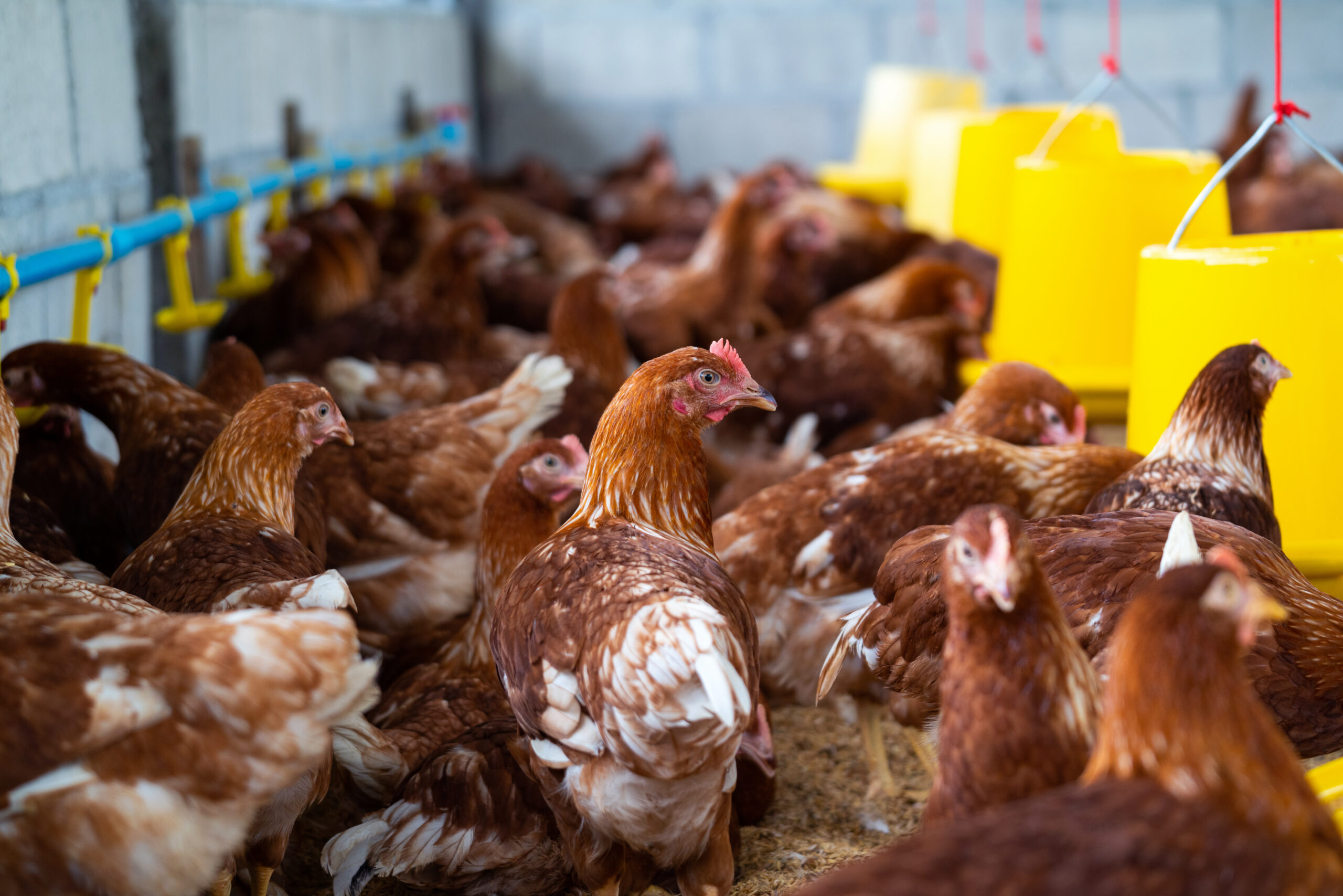
Poultry farming in Uganda is one of the most promising agribusiness opportunities today. With the country’s growing population, urbanization, and increasing demand for eggs and chicken meat, a well-managed poultry enterprise can be both profitable and sustainable.
If you’re a beginner, however, the poultry business is not a “get rich quick” venture — it requires knowledge, planning, and discipline. This guide will walk you through the basics to help you start right and avoid common pitfalls.
1. Decide Your Poultry Type and Purpose
Before you buy your first chick, decide what type of poultry you want to rear and why. Common options in Uganda include:- Layers – For egg production. They require longer care before returns start (4–6 months), but eggs sell daily once they start laying.
- Broilers – For meat production. They mature quickly (5–8 weeks) and can bring fast returns, but require good marketing for consistent sales.
- Dual-purpose breeds – Produce both eggs and meat but may not be as specialized in either.
2. Start Small, Learn, Then Expand
Many new farmers make the mistake of starting too big without experience. Instead:- Begin with 100–300 birds.
- Learn about feeding, health management, and record keeping.
- Once you’ve mastered the basics and understand your market, then scale up.
3. Housing and Infrastructure
Your chicken house is one of the most important investments. Poor housing leads to disease, stress, and death in your flock. A good poultry house should:- Be well-ventilated but protected from drafts.
- Have enough space (at least 2 sq. ft. per layer or 1 sq. ft. per broiler).
- Protect birds from predators like dogs, snakes, and rats.
- Have easy-to-clean floors and proper drainage.
4. Feeding – Your Biggest Cost
Feed accounts for 60–70% of poultry production costs in Uganda. Quality feed = healthy birds + better yields.- Buy from reputable feed mills or mix your own once you have experience.
- Ensure constant clean water supply — dehydration reduces growth and egg laying.
- Avoid overfeeding or underfeeding; both can affect profits.
5. Health Management
Diseases can wipe out your entire flock in days if you’re not prepared.- Vaccinate against common diseases like Newcastle, Gumboro, and Fowl Pox.
- Keep poultry houses clean and disinfected.
- Quarantine new birds before mixing with your flock.
- Work with a local vet to monitor your flock’s health.
6. Know Your Market Before You Start
Don’t just produce — plan where and how you’ll sell:- For eggs: Schools, restaurants, hotels, supermarkets, roadside stalls.
- For broilers: Butcheries, events, market days, direct home sales.
- Consider value addition (e.g., selling dressed chicken, trays of cleaned eggs).
7. Record Keeping
Keep track of:- Feed quantities and costs
- Mortality rates
- Vaccinations and treatments
- Sales and profits Good records help you see where you’re making or losing money.
8. Common Mistakes to Avoid
- Starting without training or research.
- Ignoring biosecurity — letting anyone enter your poultry house without footbaths or protective gear.
- Buying cheap, poor-quality chicks to save money (they may cost more in the long run).
- Relying on one market channel.
Conclusion
The poultry business in Uganda can be a steady source of income if approached professionally. As a beginner:- Start small.
- Learn from other farmers.
- Keep your birds healthy.
- Know your market.
Filed underGeneral



Comments