Understanding the International School Curricula in Uganda
 Atukwase Innocent · · 2 min read
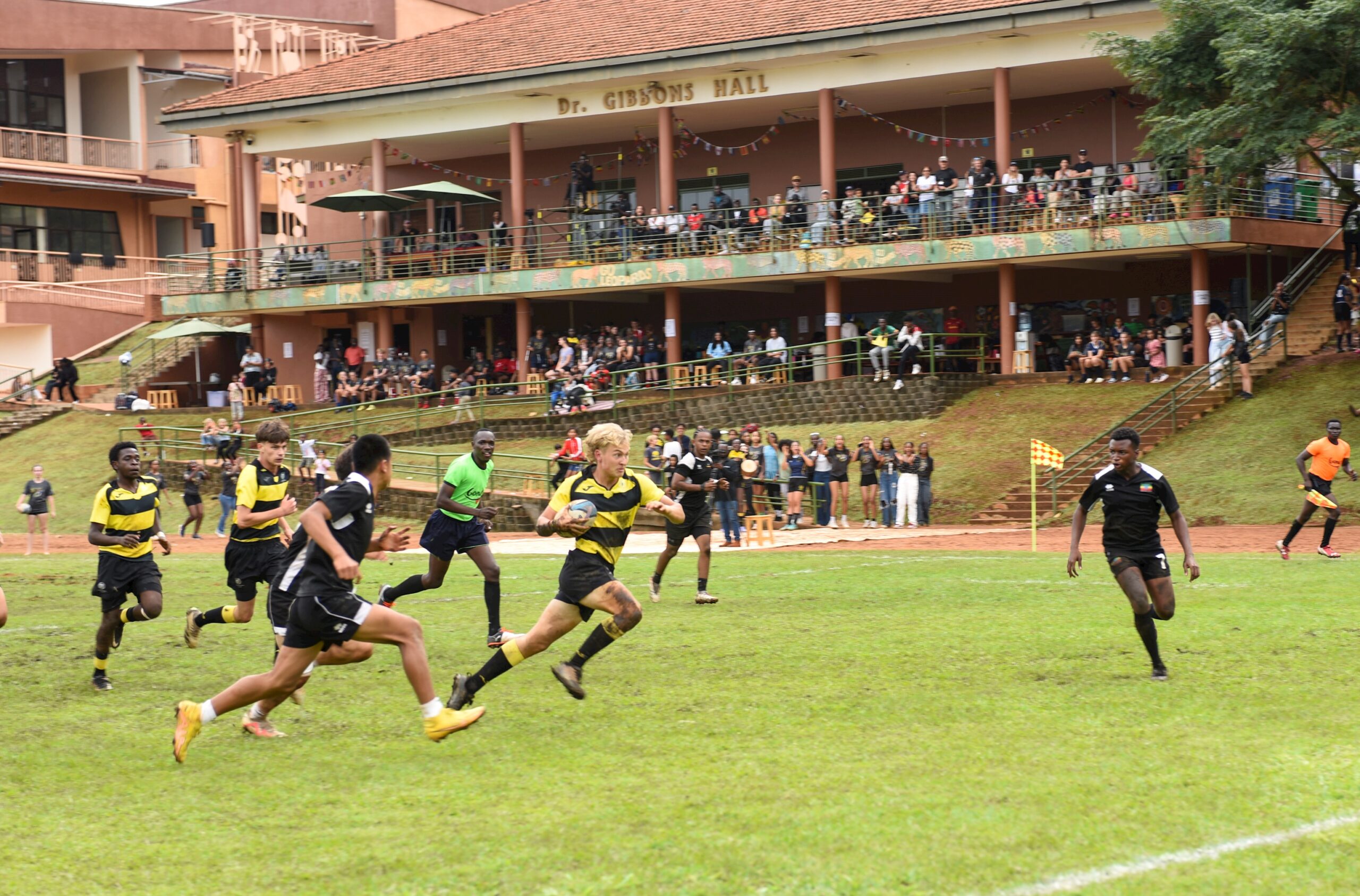
International schools in Uganda primarily cater to expatriate families, affluent locals, and students aiming for global higher education opportunities. These schools operate outside the national Ugandan curriculum (which is competency-based and aligned with local exams like UCE and UACE) and instead follow globally recognized frameworks. They emphasize critical thinking, multilingualism, intercultural understanding, and preparation for international universities. Most are located in Kampala, the capital, and charge high fees (often 5–60 million Ugandan Shillings per year, equivalent to about $1,300–$16,000 USD, depending on grade and boarding). Enrollment is diverse, with students from over 50 nationalities in some cases. The curricula are accredited by bodies like the International Baccalaureate Organization (IBO), Cambridge Assessment International Education, or regional equivalents.
Key Types of International Curricula Offered
- International Baccalaureate (IB): A holistic, inquiry-based program spanning primary to diploma levels (ages 3–19). It promotes global citizenship, research skills, and community service. Offered by fewer schools but highly regarded for university admissions worldwide.
- Cambridge International (British Curriculum): Includes IGCSE (ages 14–16) and A-Levels (ages 16–18), focusing on core subjects like math, sciences, and languages with modular exams. It's rigorous and widely accepted by UK and Commonwealth universities; many schools blend it with early years programs.
- American Curriculum: Based on U.S. standards, often leading to a high school diploma and Advanced Placement (AP) courses. It emphasizes creativity, electives, and extracurriculars, ideal for U.S. college pathways.
- Other Variants:
- International Primary Curriculum (IPC): Thematic and creative for early years (ages 3–11).
- Indian (CBSE): Structured with national board exams, focusing on academics and holistic development.
- French: Aligned with the French Ministry of Education, bilingual, and preparatory for European systems.
These curricula often integrate local Ugandan elements, like environmental studies or cultural awareness, to foster a sense of belonging.
Examples of International Schools
Here are selected examples representing diverse curricula, drawn from a comprehensive directory of schools in Kampala. Fees are approximate annual figures for 2025/2026 and may vary.
| School Name | Curriculum Offered | Age/Grade Range | Annual Fees (UGX) | Brief Description |
|---|---|---|---|---|
| International School of Uganda (ISU) | IB (PYP, MYP, DP) | 2–18 | 30M–128M | A not-for-profit, parent-owned school on a 33-acre campus with 635 students from 50+ nations; accredited by IBO and U.S. bodies for full IB continuum. |
| Aga Khan High School, Kampala | IB Diploma, Cambridge IGCSE | 11–18 | Not public | Established in 1959 as Uganda's first multicultural school; offers co-curriculars in arts and sports alongside rigorous academics. |
| Kabojja International School | Cambridge (IGCSE, A-Levels) | 3–18 | 9M–20M | Co-educational day/boarding school emphasizing British standards with a focus on holistic growth. |
| Acacia International School | American (Classical), Cambridge IGCSE/A-Levels | 3–18 | 24M–48M | Christian day school in Muyenga blending North American elementary/middle with Cambridge secondary for diverse international students. |
| Ambrosoli International School | IPC, British | 2–11 | 20M–46M | Community-focused primary school with strong parent involvement and a vibrant PTA; known for inclusive, thematic learning. |
| Delhi Public School International | Indian (CBSE) | 2–18 | 8M–14M | Modern co-educational school prioritizing holistic development, innovation, and high-quality facilities. |
| Ecole Française Les Grands Lacs | French | 2–18 | 18M–39M | Multilingual school committed to excellence, sustainability, and student well-being in a multicultural setting. |
For admissions or updates, check school websites directly, as offerings can evolve. If you're interested in a specific curriculum or region outside Kampala (e.g., Entebbe), more details can be explored.



Comments