10 Ways to Unlock Profitable Agriculture in Uganda
 Atukwase Innocent · · 5 min read

Uganda's agriculture is profitable and poised for growth, but it demands collaboration, innovation, and resilience. Whether you're a diaspora investor eyeing tertiary opportunities or a local farmer scaling up, we hope that these lessons offer you a roadmap.
As of 2025, Agriculture remains the backbone of Uganda's economy, contributing about 24% to GDP and employing 65% of the working population. The sector's market size is projected to reach USD 4.24 billion this year, growing at a CAGR of 4.2% to hit USD 5.21 billion by 2030. With 80% of the land arable but only 35% cultivated, there's immense untapped potential. Yet, challenges like climate variability and limited tech access persist. In this blog, we'll unpack key lessons from the interview, enriched with additional insights on government initiatives, success stories, and emerging trends to guide aspiring farmers, investors, and policymakers.
10 Proven Strategies to Boost Profitable Agriculture in Uganda
Agriculture is the backbone of Uganda’s economy, employing over 70% of the population and contributing significantly to GDP. However, many farmers struggle to turn their efforts into sustainable profits. To help you thrive, here are 10 actionable strategies to unlock the full potential of agriculture in Uganda, along with the reasons why each approach works.
1. Adopt Modern Farming Techniques
Strategy: Shift from traditional methods to precision agriculture, such as drip irrigation, greenhouse farming, crop rotation, and intercropping. Why It Works: Modern techniques optimize resource use, increase yields, and reduce risks. For example, drip irrigation delivers water directly to plant roots, saving up to 60% of water compared to traditional methods. Crop rotation and intercropping improve soil health and naturally deter pests, reducing reliance on costly pesticides. These methods can boost productivity by 20-30%, especially for smallholder farmers.
2. Invest in High-Value Crops
Strategy: Focus on crops with strong local and international demand, such as coffee, vanilla, avocados, or horticultural products like flowers and vegetables. Why It Works: High-value crops offer better profit margins. For instance, Uganda is Africa’s leading coffee exporter, with global demand remaining strong. Vanilla can fetch prices up to $200 per kilogram in export markets. Growing these crops taps into lucrative markets, ensuring higher returns compared to staple crops like maize, which face price volatility.
3. Leverage Technology and Data
Strategy: Use mobile apps, drones, and soil sensors to access real-time data on weather, market prices, and farming techniques. Platforms like AgriTech Uganda or Wefarm provide valuable insights. Why It Works: Technology empowers farmers to make informed decisions. Weather apps help plan planting schedules, reducing crop losses due to drought or floods. Drones can monitor large farms efficiently, while soil sensors guide precise fertilizer use, cutting costs by up to 15% and boosting yields. These tools bridge the gap between traditional farming and modern efficiency.
4. Improve Access to Financing
Strategy: Explore microfinance institutions, agricultural loans, or government programs like the Agricultural Credit Facility (ACF) to fund seeds, equipment, and infrastructure. Why It Works: Limited capital is a major barrier for Ugandan farmers. The ACF, for example, offers loans at subsidized rates (as low as 12% annually), enabling farmers to invest in quality inputs or machinery. Access to financing can increase productivity by 25-40%, as farmers can afford better seeds or irrigation systems that enhance output.
5. Enhance Post-Harvest Handling
Strategy: Invest in storage facilities, cold chains, and processing units to minimize post-harvest losses for perishable goods like fruits and vegetables. Why It Works: Uganda loses 30-40% of its produce due to poor storage and handling. Proper facilities, like solar-powered cold storage, can extend shelf life, allowing farmers to sell at optimal market prices. Processing crops into products like dried fruits or juices adds value, increasing profit margins by up to 50%.
6. Strengthen Market Linkages
Strategy: Join cooperatives or connect with export agencies and digital marketplaces to access regional and international buyers, such as those in the EU or East African Community. Why It Works: Direct market access eliminates middlemen, who often take a large share of profits. Cooperatives like the Uganda Coffee Development Authority help farmers secure better prices. Export markets, especially for organic products, offer premiums—sometimes 20-30% higher than local prices—boosting income significantly.
7. Promote Sustainable Practices
Strategy: Adopt climate-smart agriculture, such as organic farming, agroforestry, or conservation tillage, to build resilience and appeal to eco-conscious markets. Why It Works: Uganda faces climate challenges like unpredictable rainfall and soil degradation. Sustainable practices improve soil fertility and water retention, reducing crop failure risks by up to 20%. Organic products also attract premium prices in markets like Europe, where demand for organic goods is growing at 10% annually.
8. Build Farmer Capacity
Strategy: Participate in training programs from organizations like the National Agricultural Advisory Services (NAADS) or USAID to learn modern farming, financial management, and value-addition techniques. Why It Works: Knowledge gaps limit productivity. Training equips farmers with skills to adopt new technologies or manage finances effectively. For example, NAADS programs have helped farmers increase yields by 15-25% through better seed selection and pest management, directly impacting profitability.
9. Diversify Income Streams
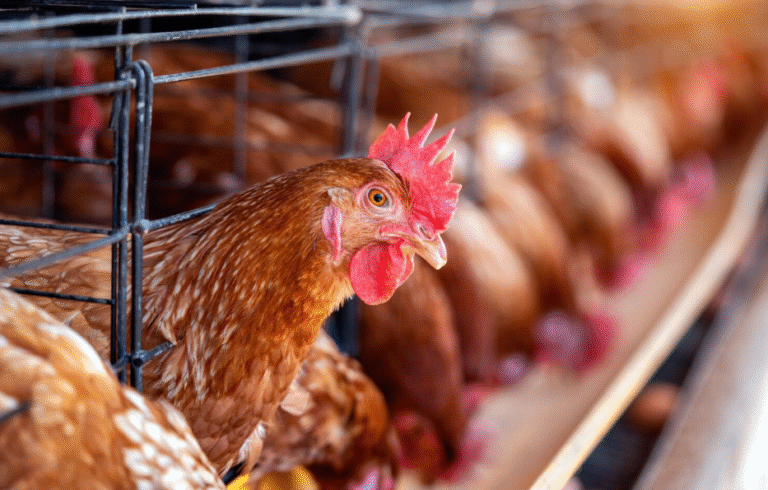
Strategy: Combine crop farming with livestock, poultry, or aquaculture, and explore value-added products like processed foods, essential oils, or animal feeds. Why It Works: Diversification spreads risk and stabilizes income. For instance, poultry farming can provide quick returns within 6-8 weeks, complementing slower-growing crops. Value-added products like mango jam or coffee powder can double profits by targeting niche markets, reducing dependence on raw commodity sales.
10. Collaborate with Stakeholders
Strategy: Partner with NGOs, government bodies, and private sectors to access inputs, extension services, and infrastructure like irrigation schemes or rural roads. Why It Works: Collaboration unlocks resources that individual farmers can’t afford. For example, NGOs like Sasakawa Africa Association provide free training and subsidized seeds, while government projects improve market access through better roads. These partnerships can cut input costs by 10-20% and enhance market reach, driving profitability.
Conclusion
Uganda’s agricultural potential is immense, but profitability requires strategic shifts. By adopting modern techniques, targeting high-value markets, leveraging technology, and building partnerships, farmers can transform their operations into thriving businesses. Start small, experiment with one or two strategies, and scale up as you see results. Share your progress with us in the comments below, and let’s grow Uganda’s agricultural future together!



Comments