Is Goat Farming Profitable in Uganda?
 Atukwase Innocent · · 4 min read
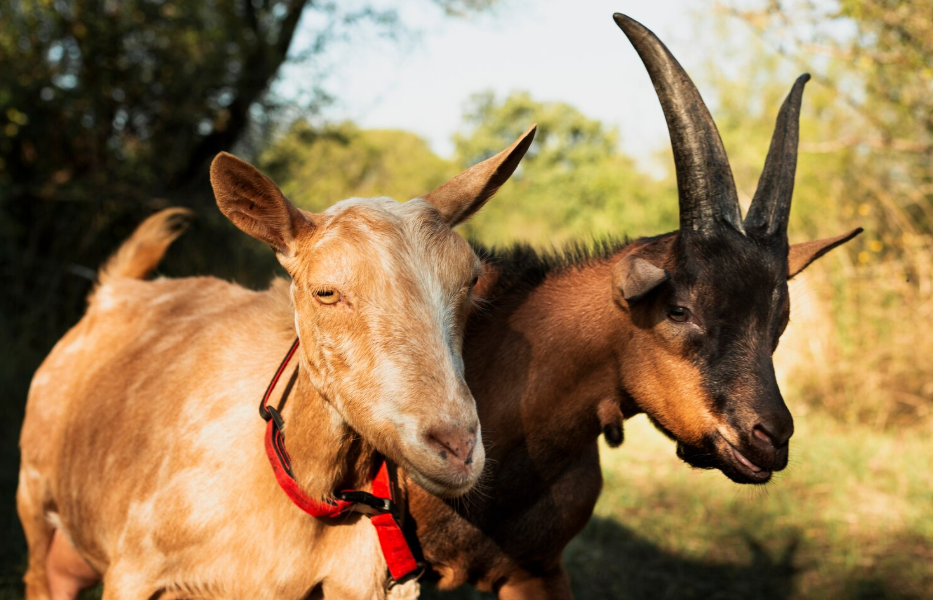
Yes, goat farming is generally profitable in Uganda, particularly for smallholder and commercial farmers who adopt good management practices. It's considered a low-input, high-return agribusiness compared to cattle or pigs, with strong domestic and export demand for goat meat (chevon), milk, hides, and manure. Uganda's favorable climate, abundant natural forage, and government support through programs like the National Agricultural Advisory Services (NAADS) make it viable. However, profitability depends on factors like breed selection, health management, and market access. With proper planning, farmers can achieve returns of 20-50% annually, especially through value addition (e.g., processing milk into yogurt or cheese).
Key Factors Driving Profitability
Goat farming aligns well with Uganda's agricultural landscape, where over 14 million goats are reared, contributing to food security and rural incomes. Here's why it's lucrative:
- Low Startup and Operational Costs:
- Initial investment for a small-scale farm (10-20 goats) is about UGX 15-20 million (USD 4,000-5,400), covering breeds, housing, and basic equipment. This is lower than cattle farming due to goats' smaller size and minimal feed needs (they forage on shrubs, grasses, and crop residues like sweet potato vines).
- Daily maintenance is cheap: A goat eats 2-3% of its body weight in dry matter (e.g., Napier grass, legumes) and drinks 1.5 liters of water. No need for expensive concentrates if using natural pastures.
- Housing: Simple elevated pens (1.5m² per adult goat) cost UGX 700,000-1 million for 50 goats, preventing diseases like foot rot.
- High Reproduction and Growth Rates:
- Goats kid 1.8-2 times per year, often twins or triplets (50% twins for improved breeds like Boer or Savannah). This allows herd growth from 10 does and 1 buck to 30-50 goats in 1-2 years.
- Slaughter weight (25-45kg) reached in 5-8 months for meat breeds, vs. 12+ months for locals. A female goat produces 600kg of manure annually, sold as organic fertilizer at UGX 15,000 per 100kg sack (up to 6 sacks/week from a small herd).
- Strong Market Demand and Prices:
- Domestic Market: Goat meat is premium (healthier, lower fat than beef), with demand in Kampala, Jinja, and festive seasons (e.g., Eid). Retail price: UGX 14,000-25,000/kg (USD 3.80-6.80/kg). Live goats: UGX 100,000-400,000 (USD 27-108) for locals; UGX 200,000-600,000 (USD 54-162) for improved breeds like Boer. A 45kg goat sells for UGX 300,000+ at 5 months.
- Export Market: Uganda exports to Oman (99% of volume) and Middle East, needing 50,000 goats/month but producing only ~31.9 million kg annually (28th globally). Export price: USD 5,406/ton (UGX 20,000/kg), up 4.5% in 2024. White breeds (e.g., Savannah) fetch premiums for "purity" in Muslim markets.
- Other Products: Goat milk (3L/day from dairy breeds like Toggenburg) sells at higher prices than cow milk; hides and manure add 10-20% to revenue. Overall market value: USD 155 million in 2024, up 3.2% annually.
- Government and Community Support:
- Programs like NAADS and MAAIF provide training, subsidized vaccines, and breeding stock (e.g., Savannah goats for export zones). Initiatives like Farm Africa's revolving goat schemes empower women, passing kids to others for community growth.
- Recent X discussions (e.g., NTV Uganda's June 2025 segment) highlight success stories and expert tips for profitability.
Recommended Breeds for Profit in Uganda
Choose based on purpose and region (e.g., hardy locals for arid areas like Karamoja; exotics for commercial meat).
| Breed | Type | Key Traits | Avg. Price (UGX) | Profit Potential |
|---|---|---|---|---|
| Small East African (SEA) | Local/Meat | Hardy, disease-resistant; 21-30kg adults; slow growth (18 months to mature). | 100,000 (mature) | Medium; low input, but lower yields. Ideal for beginners. |
| Mubende | Local/Meat | Black/white coat; 22-35kg; good skin/meat quality; twins common. | 150,000-200,000 | High; adaptable, fast reproduction. |
| Kigezi | Local/Meat | Black, long hair; 25-30kg; suited to highlands (Kabale). | 120,000-180,000 | Medium-High; resilient in wet/cold areas. |
| Boer/Savannah | Exotic/Meat | Fast growth (5-8 months to 45-120kg); 50% twins; white coat for exports. | 200,000-600,000 (females); 500,000-2M (bucks) | Very High; premium prices, but needs better feed/health care. |
| Toggenburg/Saanen | Exotic/Milk | 3L milk/day; moderate fat (2-3%). | 250,000-300,000 | High for dairy; value-add (yogurt/cheese) boosts income. |
Crossbreeding locals with exotics (e.g., Boer x Mubende) yields 75% improved traits for better returns.
Challenges and How to Overcome Them
While profitable, challenges exist—address them for sustainability:
- Diseases/Parasites: Pneumonia, worms, PPR (prevalence 70%+ in some areas). Solution: Vaccinate (e.g., CCPP annually, kids at 6 weeks); deworm every 2-3 months (UGX 5,000-10,000/goat/year). Quarantine new animals; use smart monitoring (wearables for early detection).
- Feed Shortages: Dry season scarcity; land competition from crops. Solution: Plant drought-resistant forages (e.g., Napier, Calliandra); supplement with crop residues. Stocking rate: 8-15 goats/ha on free range. Tethering works but limits intake—aim for zero-grazing hybrids.
- Theft/Market Access: Rural theft; low prices for locals. Solution: Secure fencing; join cooperatives for bulk sales to abattoirs/hotels. Use social media/X for direct marketing (e.g., City Farm Uganda's success stories). Target exports via NAADS.
- Climate/Other: Droughts, inbreeding. Solution: 1:20-30 buck-to-doe ratio; breed at 8-12 months. Government subsidies (50% insurance) help.
Profitability Example (Small-Scale: 20 Does + 1 Buck)
- Costs (Year 1): UGX 5M (stock: UGX 4M; feed/vet/housing: UGX 1M).
- Revenue (Year 1): 40 kids (twins) at UGX 150,000 each = UGX 6M; manure/meat sales: UGX 2M. Net Profit: UGX 3M (60% ROI).
- Scaling: By Year 2, herd doubles; add milk (UGX 5,000/L) for +20% income. Tethering yields highest gross margins (per 2011 study), but zero-grazing maximizes output.
Tips to Get Started
- Start Small: 10-25 goats; focus on meat (80% of market).
- Training: Join NAADS workshops or farms like Aaron Vet Farms/City Farm Uganda for hands-on learning. Attend events like Harvest Money Expo (Feb 2025).
- Records: Track breeding, health, sales for ROI analysis (e.g., 1:30 male-female ratio).
- Sustainability: Empower women (65% manage feeding); use manure for integrated farming.
Comments