Unlocking Wealth Through Coffee Value Addition in Uganda: drawing inspiration from Professor Julius Nyanzi's strategy
 Atukwase Innocent · · 6 min read
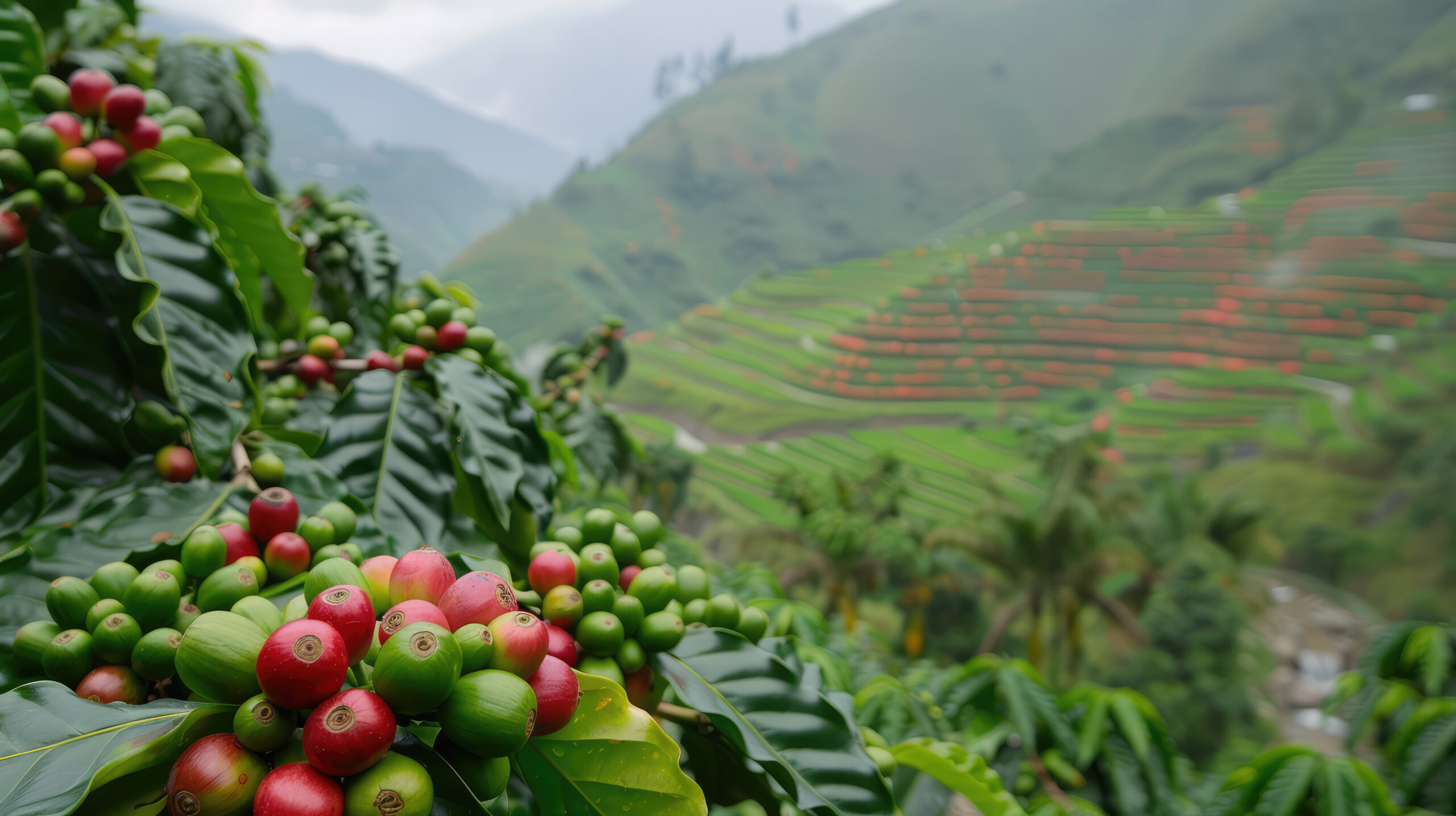
Across Uganda, many landowners are venturing into coffee farming. Yet, the majority still sell raw coffee beans, fetching relatively low prices on the market. The real difference lies in value addition—processing coffee into higher-value products.
Recently, at the 10th Grade Sandowner in Kala, Professor Julius Nyanzi, Commissioner for Small-Scale Industries at the Ministry of Science, Technology, and Innovation, conducted a training session on this very subject. As the proprietor of Proof Bio Research, Prof. Nyanzi has long championed the idea that farmers and entrepreneurs must go beyond primary production if they want to prosper.
“We are poor not because we lack resources, but because we lack knowledge,” he emphasized.
From Coffee Cherry to Coffee Oil
One of the standout examples shared during the training was coffee oil production. With 100 kilograms of coffee cherry, farmers can produce 20 liters of coffee oil. Each liter sells for around UGX 200,000, making it far more profitable than selling unprocessed beans.
Over the last decade, Prof. Nyanzi and his team have trained more than 2 million Ugandans in value addition practices, helping them to start small-scale processing ventures.
Knowledge as the Missing Link
The professor drew parallels with the industrial revolution in Europe 200 years ago, noting that industrial growth was not driven by natural resources but by knowledge and innovation.
“Uganda is rich in plants and minerals, yet we remain poor because we have not fully embraced industrial knowledge,” he said.
The Bigger Picture
Globally, coffee is a multi-billion-dollar industry. Giant brands like Starbucks dominate the market—yet they own no coffee gardens. Their wealth comes from branding, processing, and retailing, not from raw production.
For Uganda to capture a bigger share of this lucrative market, farmers must embrace value addition. Selling coffee beans may bring income, but processing them into oil, roasted coffee, or specialty products multiplies their worth.
Why Value Addition Matters
In Uganda, over 95% of coffee is exported as green beans, fetching around UGX 9,000 (USD 2.5) per kilogram, while processed coffee products like roasted beans or coffee oil can earn up to UGX 150,000 per kilogram or more. Professor Nyanzi highlights that this gap—termed the "coffee hemorrhage" by President Yoweri Museveni—stems from a lack of knowledge about value addition. Companies like Starbucks earn billions without owning coffee farms because they invest in processing and branding. By adopting value addition, Ugandan farmers can increase their income, create jobs, and compete in premium markets, aligning with the government’s goal to grow coffee revenue from USD 1.2 billion to USD 5 billion in five years.Here are Key Value Addition Strategies for New Coffee Farmers
1. Start with Quality Coffee Production
Value addition begins with high-quality coffee cherries. To ensure premium output:- Choose the Right Variety: Focus on high-yielding varieties like Robusta (dominant in Uganda) or Arabica (grown in regions like Mt. Elgon). The National Coffee Research Institute (NaCORI) provides access to pest-resistant and climate-resilient seeds.
- Adopt Good Agricultural Practices: Proper planting, pruning, and pest management (e.g., controlling Coffee Twig Borer) ensure healthy cherries. Training from MoSTI or the Uganda Coffee Development Authority (UCDA) can guide you.
- Harvest at Peak Ripeness: Pick red cherries to maintain flavor and quality, as emphasized in Nyanzi’s programs.
2. Invest in Primary Processing
Primary processing transforms fresh cherries into green beans, a critical first step:- Wet Processing: For Arabica, wash and ferment cherries to produce high-quality beans. This requires simple equipment like pulping machines, available through UCDA or MoSTI programs.
- Dry Processing: For Robusta, dry cherries in the sun on clean surfaces to avoid contamination. Proper drying preserves quality and prevents spoilage.
- Sorting and Grading: Sort beans to meet international standards, as over 95% of Uganda’s coffee is exported as graded green beans. Training at events like the Sandowner teaches farmers to use sieves and sorting machines.
3. Explore Advanced Value Addition
To significantly boost income, new farmers should venture into advanced processing, as highlighted by Professor Nyanzi:- Coffee Oil Production: A standout example from Nyanzi’s training is coffee oil, where 100 kg of coffee cherries can yield 20 liters of oil, with each liter fetching UGX 200,000 (about USD 54). This high-value product, used in cosmetics and pharmaceuticals, requires oil extraction machines, which Nyanzi promotes through raffles at training events.
- Roasting: Roasting enhances flavor and market value. Small-scale roasters, like those offered in Sandowner raffles, can roast beans at 200°C, producing a product for local coffee shops or export. Nyanzi notes that roasting equipment is a game-changer for farmers, with only 12 registered roasters currently in Uganda.
- Grinding: Ground coffee for beverage preparation is in demand in urban areas like Kampala. Manual or motorized grinders (e.g., hammer mills) allow farmers to produce fine or coarse grounds tailored to market preferences.
- Instant Coffee: While expensive (requiring extractors and dryers costing over USD 20 million), instant coffee production is viable for cooperatives or large-scale ventures. New farmers can partner with initiatives like the Luwero Coffee Park to access such facilities.
4. Leverage Technology and Machinery
Professor Nyanzi’s slogan, “Iron sharpens iron,” underscores the role of technology in sparking an industrial revolution in Uganda’s coffee sector. His Proof Bio Research has introduced seven coffee processing machines, raffled to lucky trainees at the Sandowner. These include:- Pulping Machines: For removing cherry skins in wet processing.
- Roasters: For small-scale roasting to produce premium coffee.
- Grinders: For producing ground coffee for local and export markets.
- Oil Extractors: For high-value coffee oil production.
5. Tap into Training and Support Programs
Professor Nyanzi’s initiatives, backed by MoSTI and the Sandowner, have trained over 2 million people in value addition over the past decade. New farmers can benefit from:- Sandowner Training: Held annually in Kala, these sessions teach practical skills like roasting, oil extraction, and packaging. Trainees also have a chance to win processing machines through raffles.
- Government Support: The UCDA and MAAIF offer extension services, subsidized inputs, and market linkages. The EU-EAC MARKUP II project supports SMEs in accessing international markets, as seen at the World of Coffee Geneva 2025.
- Private Sector Partnerships: Collaborate with initiatives like the Luwero Coffee Park, which processes 35,000 metric tons annually, or Inspire Africa’s Coffee Value Addition Plant, backed by a Shs 60 billion government investment.
6. Focus on Market Access and Branding
To maximize returns, new farmers must connect with markets and build a brand:- Local Markets: Target urban coffee shops and supermarkets with roasted or ground coffee. Low domestic consumption (3-5% of production) presents an opportunity to grow local demand.
- Export Markets: Leverage Uganda’s trade agreements with the EAC, COMESA, and AfCFTA for access to regional and global markets. Compliance with standards like the EU Deforestation Regulation (effective December 2025) is critical.
- Branding: Create a distinct Ugandan coffee brand, as suggested by the International Growth Centre, to differentiate your product from competitors like Ethiopia or Kenya. Packaging roasted coffee or oil in attractive, eco-friendly materials can attract premium buyers.
7. Address Challenges
Value addition comes with hurdles that new farmers must navigate:- High Equipment Costs: Roasting and oil extraction machines are expensive. Start with small-scale equipment or join cooperatives to share costs, as recommended by UCDA.
- Knowledge Gaps: Nyanzi stresses that poverty in Uganda’s coffee sector stems from a lack of knowledge, not resources. Attend training programs and subscribe to resources like UCDA’s guides or Farm Up’s YouTube channel for practical insights.
- Climate and Pests: Droughts and pests like the Coffee Twig Borer reduce yields. Invest in climate-smart practices and pest-resistant varieties from NaCORI.
- Market Volatility: Fixed egg prices and global price fluctuations can affect profits. Diversify into multiple products (e.g., oil, roasted coffee) to stabilize income.
8. Start Small and Scale
For new farmers, starting small minimizes risks:- Begin with Primary Processing: Invest in basic pulping and drying to sell high-quality green beans while saving for advanced equipment.
- Join Cooperatives: Pool resources with other farmers to access shared machinery and markets, as seen in Bugisu’s Arabica cooperatives.
- Scale with Profits: Use earnings from green beans to invest in roasters or oil extractors, as demonstrated by Sandowner trainees who’ve prospered with these tools.


Comments